About Laminate Flooring: A Jersey Shore Buyer's Guide
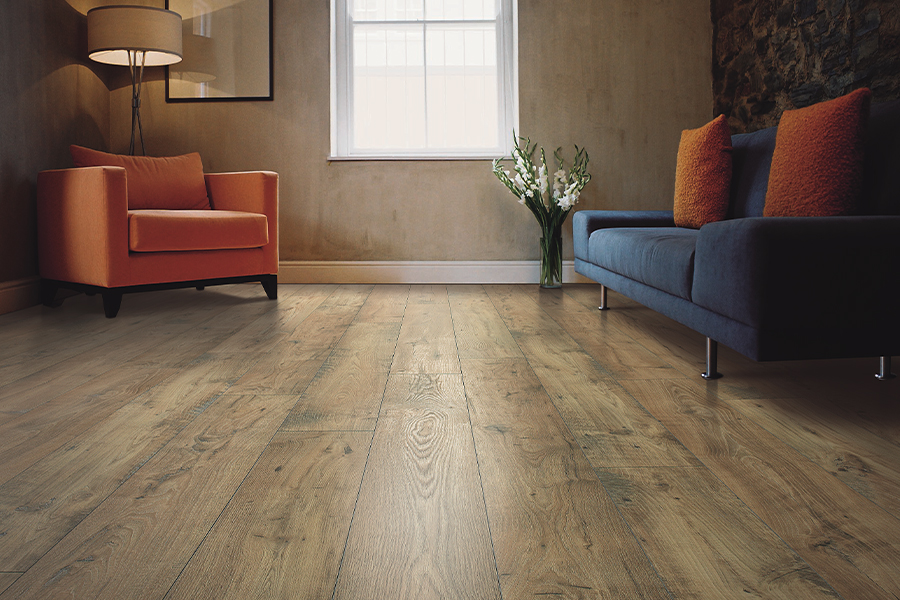
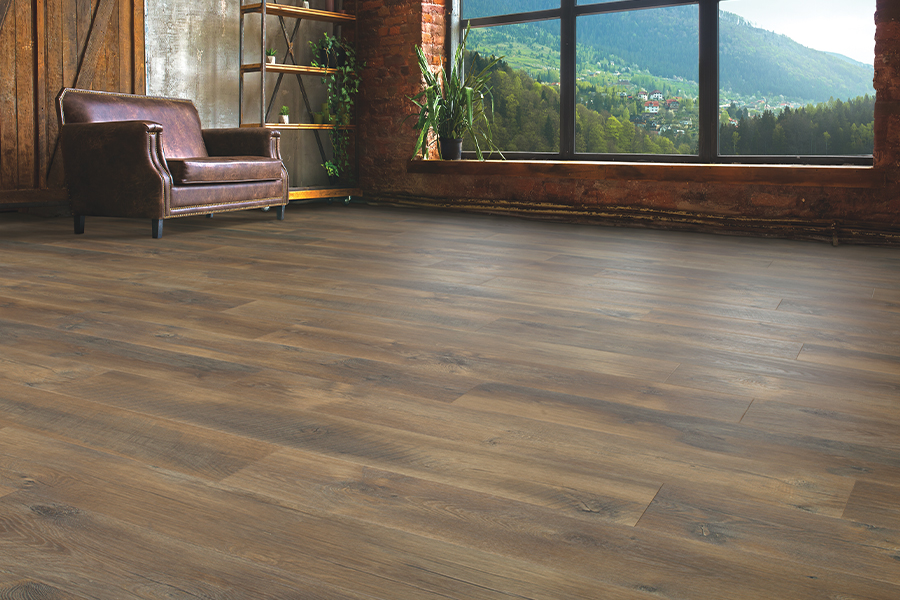
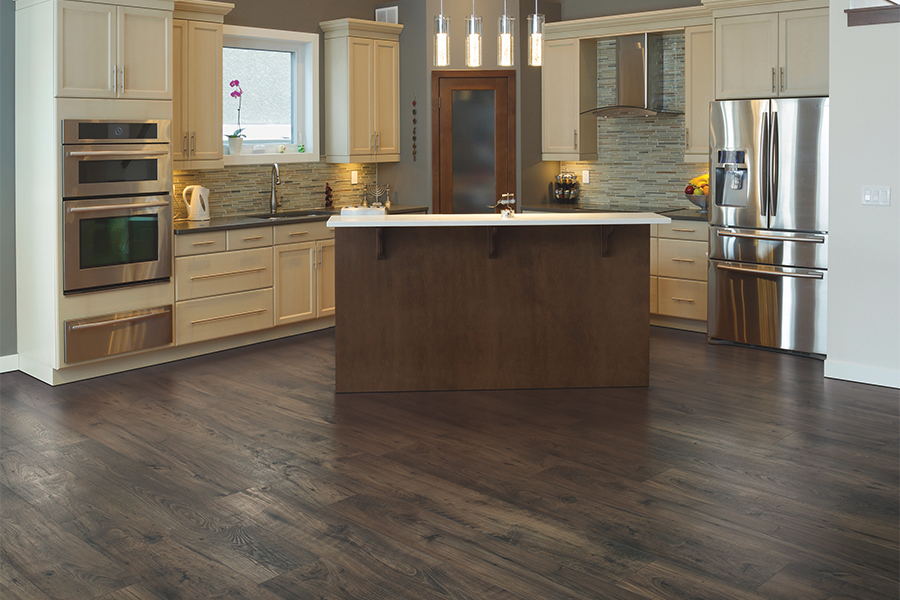
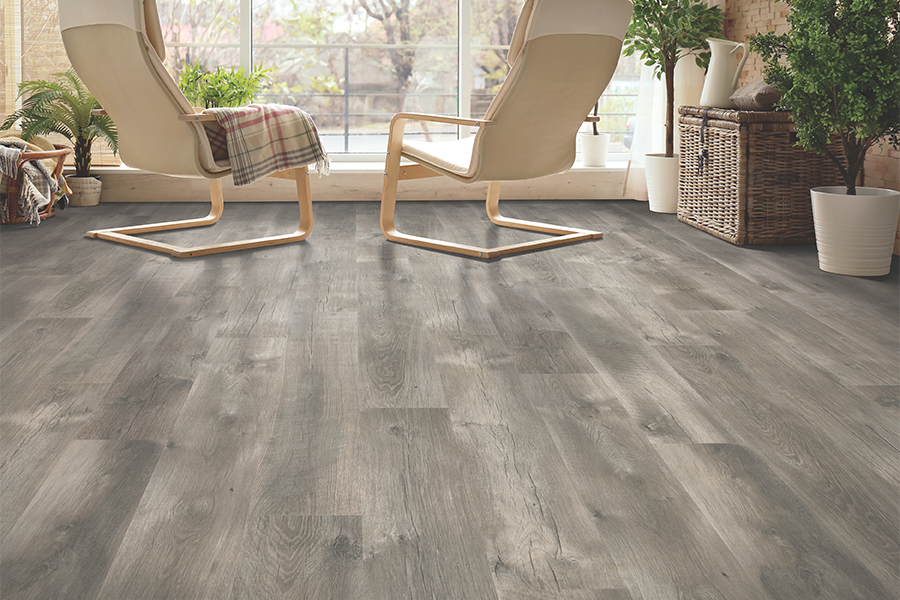
Laminate gives you the warm look of real wood with a tougher, more scratch-resistant surface and a gentler price. Along the Jersey Shore, where sandy feet, wet towels, and humid summers wear floors down fast, that combination earns its place. Today's laminate is a long way from the hollow, plasticky product you may remember: the better lines carry deep grain texture and low-sheen finishes that read as genuine oak or hickory until you kneel down and run a hand across them. You can see the laminate styles we stock whenever you like, and when you want advice for your own rooms, our team can put together an estimate.
What Laminate Flooring Actually Is
Laminate is a floor built to imitate wood, not a slice of one. Four bonded layers do the work, and knowing them makes every sales tag easier to read. The wear layer on top is a clear, tough coat of melamine that takes the scratches, scuffs, and grit so the pattern underneath stays crisp. The design layer is a high-resolution photograph of real wood or stone, which is why a good laminate can copy the grain of white oak or the movement of travertine. Beneath that sits the core, a dense board made of compressed wood fibers that gives the plank its strength and its click-together edges. A backing layer on the bottom balances the plank and helps hold moisture at bay.
The planks lock edge to edge and float over your subfloor rather than gluing or nailing down, which is part of why laminate installs cleanly and lives well over concrete slabs and plywood alike. The one detail worth remembering: that core is wood based. It is engineered and sealed, but it still responds to moisture and to the swings in humidity that come with living near the water. That single fact drives most of the smart decisions on the rest of this page.
Request an estimate
How Laminate Holds Up to Jersey Shore Humidity and Salt Air
Yes, laminate expands and contracts, because every wood-based floor does. The trick is designing for that movement instead of fighting it. When the salt air turns heavy in July and August, the fibers in a laminate core take on a little moisture and the planks grow ever so slightly. When the heat kicks on in January and the indoor air dries out, they give it back and shrink. Left no room to breathe, a floor that swells can lift or buckle, and a floor that shrinks can open thin gaps at the seams.
The fix is built into a proper installation. A small expansion gap runs around the perimeter of every room, hidden under the baseboard or quarter round, so the floor can move without pushing against the walls. The planks are left to acclimate in the home for a couple of days before they go down, so they settle at your rooms' real humidity rather than the warehouse's. And keeping your indoor climate reasonably steady with air conditioning or a dehumidifier in the muggy months does more to protect a laminate floor than any single product feature. If you have ever watched seams appear and wondered what went wrong, our guide to why laminate floors expand and where the gaps come from walks through the causes one by one.
Coastal homes ask a bit more of a floor than inland ones, between the humidity, the salt in the air, and the sand that rides in on every beach towel. It is a solvable problem, not a reason to rule laminate out, and we cover the specifics in our piece on preventing gapping and warping in humid Belmar homes. One honest caveat before you fall for a plank: most laminate is water resistant, not waterproof. It shrugs off splashes and quick spills, but standing water that sits in a seam can still reach the core, so a mopped-up glass of water is fine and a slow dishwasher leak is not.
Laminate vs. Hardwood: What You Get for the Money
If your goal is the lowest lifetime cost and a floor that laughs off scratches, laminate usually wins. If your goal is a floor you can sand and refinish for decades, and one that buyers will pay extra for, hardwood wins. Both are honest choices; they just answer different questions.
Laminate costs less to buy and less to install, and its hard wear layer resists the scratches, dents, and pet claws that leave their mark on a natural wood surface. Hardwood asks for more up front and a little more care, and in return it gives you the real thing underfoot and a surface you can renew. That last point is the big one: a laminate plank cannot be refinished, so a deep gouge means swapping the plank rather than sanding the room. A hardwood floor can be sanded back to fresh wood and refinished several times across its life, which is why a well-kept wood floor can outlast the house's first owners. For the full cost-and-value breakdown, our article on laminate versus hardwood as an investment lays the two side by side. If you love the look of wood but want to compare the genuine article, it is easy to browse our hardwood selection in the same visit.
Laminate vs. Luxury Vinyl, and When Waterproof Wins
Choose laminate when you want the most convincing wood look and a firm, warm feel underfoot. Choose luxury vinyl when the room is going to get genuinely wet. The difference comes down to what is inside each plank: laminate has that wood-fiber core, while luxury vinyl is built on a plastic core that water simply does not bother.
That makes vinyl the safer pick for full bathrooms, laundry rooms, mudrooms, and below-grade basements, where humidity is high and the odd flood is a question of when, not if. It is also reassuring in a home with large dogs or a puppy still learning the rules, since an accident that sits a while will not swell a waterproof floor. Laminate answers back with a texture and a firmness that many people feel reads more like real wood, and it often sounds a touch quieter and less hollow than a budget vinyl. Plenty of Shore homes end up with both, laminate through the living spaces and bedrooms and vinyl where the water lives. If waterproof is doing the heavy lifting on your list, take a look at our waterproof luxury vinyl options before you decide.
Reading a Laminate Floor Like a Pro
A few numbers and words on the sample board tell you almost everything about how a laminate will live in your home. The most useful is the AC rating, an abrasion score from AC1 to AC5. For most homes an AC3 is plenty, while an AC4 is the sweet spot for busy households with kids, pets, and Shore sand, and AC5 is built for commercial punishment you rarely need at home.
Plank thickness affects how solid and quiet the floor feels underfoot and how well it bridges small subfloor imperfections, though it is not the same thing as durability, which the wear layer and AC rating govern. Many planks come with an attached pad that softens the step and cuts noise, a welcome touch on stairs and second floors. Then there is the look. Embossed-in-register texture means the bumps and grooves you feel line up with the printed grain, so the knots and cracks read as real rather than like a photo under plastic. Finish sheen matters too: a matte or low-gloss surface hides fine scratches and the dusting of sand that comes with beach life, while a high gloss looks striking in a showroom and shows every footprint at home. Our overview of textures and finishes in modern laminate goes deeper if you want to shop with a sharper eye. Names like Trucor and Mannington sit among the lines we carry, and the sample board is the fastest way to feel the difference between them.
Is Laminate Tough Enough for High-Traffic Rooms?
For hallways, kitchens, entries, and family rooms, a good AC4 laminate is one of the most scratch- and dent-resistant floors you can buy, which is exactly why it suits busy Shore households. The same hard wear layer that fakes the grain also fends off dog nails, dropped toys, and dining chairs dragged back from the table. Fade from strong summer sun is minimal on quality lines, and cleanup is a quick pass with a dry or barely damp mop.
The honest limits are worth knowing. Sitting water is still the enemy, so wipe spills before they wander into a seam. Grit is the quiet culprit at the beach, since sand underfoot acts like sandpaper over time, which makes entry mats and a no-shoes habit genuinely protective rather than fussy. And because you cannot spot-refinish laminate, a rare deep gouge is fixed by replacing the plank, not sanding it out. We weigh all of this in our look at the pros and cons of laminate in high-traffic areas.
Choosing Laminate Room by Room
Laminate belongs in more rooms than not, as long as you match the plank to the demands of the space. In entries and mudrooms, lean on textured, mid-tone planks that hide tracked-in sand and pair them with a good mat. In kitchens and dining rooms, prioritize a higher AC rating and wipe spills promptly. In living rooms and bedrooms, an attached pad or a quality underlayment makes the floor warmer and quieter, which is a real gift in a two-story or a shared beach house. For basements and other below-grade rooms, only choose laminate if you can keep the space dry and climate-controlled; otherwise waterproof vinyl is the wiser call. And if you are extending laminate into a home that already has real wood, the goal is coordinating undertone and texture rather than chasing an exact color match, so the two surfaces feel intentional side by side.
What Laminate Flooring Costs, and What Drives the Price
Laminate is one of the most budget-friendly ways to get a wood look, but the final number depends on more than the price per square foot on the sample. The grade and AC rating move it, since a tougher wear layer and more realistic texture cost more than a builder-basic plank. Plank thickness and whether it includes an attached pad factor in as well. Beyond the material, the biggest swing is usually your subfloor: a flat, sound, dry base installs quickly, while one that needs leveling, patching, or moisture correction adds labor.
Square footage, the number of rooms and doorways, stairs, and the trim and transitions that finish the job all add up, as does removing an old floor and moving furniture. Because every home is different, the only way to a real number is to have your space measured and quoted. Bring your rooms' rough dimensions and a photo or two, and we can point you toward a laminate that fits both the room and the budget.
Professional Installation and Everyday Care
A laminate floor is only as good as the prep beneath it, which is where a professional install pays for itself. Our own in-house crews handle the work rather than handing it to subcontractors, so the subfloor gets checked for flatness and moisture, the planks are acclimated before they go down, and the expansion gap is left where it belongs at the perimeter. Those unglamorous steps are exactly what keep a floor from gapping or lifting a season later. You can read how we approach professional flooring installation and what to expect from start to finish.
Care is refreshingly simple. Sweep or vacuum the grit that scratches, and clean with a dry or lightly damp microfiber mop rather than a sopping one, since laminate and standing water do not mix. Skip steam mops and wax, which do not belong on a laminate surface. Put felt pads under furniture legs, use mats at the doors that face the beach, and wipe spills before they find a seam. Do that much and a good laminate floor will look right for many years.

See and Feel Laminate Before You Decide
The fastest way to a floor that fits your home and your budget is to see the samples in daylight, feel the texture, and get real numbers for your square footage. Stop by our family-owned Belmar showroom, see what your neighbors say in our customer reviews, and when you are ready, request an estimate so we can help you choose a laminate that stands up to Shore life.
Request an estimateFeatured Laminate
Laminate Flooring FAQs
Yes. Laminate has a wood-fiber core that takes on a little moisture in humid weather and releases it when indoor air turns dry, so the planks grow and shrink slightly through the year. A correct installation plans for that movement with a perimeter expansion gap, which is why a professionally installed floor stays flat while a rushed one can buckle or gap.
It does, always. Because a floating laminate floor moves with humidity, it needs a small gap, usually around a quarter to three-eighths of an inch, left around the edges of the room and around fixed objects. The baseboard or quarter round hides it. Without that gap the planks have nowhere to go when they expand, and the floor pushes up against the walls and lifts.
Gaps usually trace back to one of a few things: big swings in indoor humidity, a missing or too-small expansion gap, an uneven or damp subfloor, or click joints that have loosened with age. Coastal homes see more of the humidity version, which is why steady indoor climate control and a proper install matter so much here.
Most laminate is water resistant, not waterproof. It handles splashes and quick spills easily, but water that sits in a seam can still reach the fiber core and swell it. For rooms that will get truly wet, such as full baths, laundry rooms, and basements, waterproof luxury vinyl is the safer choice.
No. Unlike hardwood, laminate has a printed design layer under a wear coat, so it cannot be sanded and refinished. The upside is that it rarely needs it, since the wear layer is built to resist damage. When a plank does get badly damaged, the fix is to replace that plank rather than refinish the whole floor.
Yes, and it is one of laminate's real strengths. A mid- to high-grade laminate, around an AC4 rating, resists the scratches from pet nails and the wear of constant foot traffic better than a natural wood surface. Keep entry mats down to catch sand and wipe up accidents promptly, and laminate holds up beautifully in the busiest rooms of a Shore home.
Reimagine your space
Get inspired with our beautiful flooring galleries