

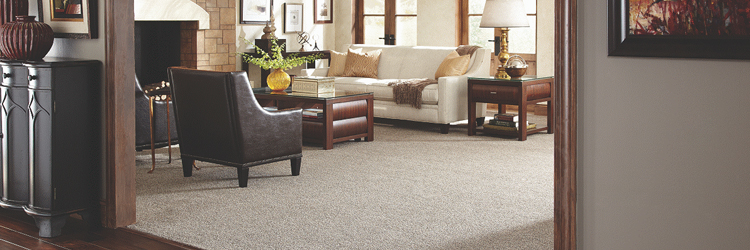
You kick off your shoes, drop the beach bag, and collapse onto the sofa. The dog does a full-body shake, sending a fine mist of sand across the floor. Kids are still in damp swimsuits. This is real living-room life in a Jersey Shore home — cozy, a little chaotic, and tough on anything underfoot. The right rug can make that room feel finished and inviting, but the first big decision is what it’s made of: wool or synthetic.
Below is a plain‑spoken look at how each fiber really behaves in a coastal living room, and how to match the right rug to your family, pets, and sand load.
How Wool Rugs Behave in a Shore Living Room
Wool is a workhorse that just happens to look and feel luxurious. The fibers have a natural crimp, so they spring back after being crushed by furniture or traffic. That’s why a quality wool rug often still looks good after years in front of a sofa.
For a living room that sees a constant mix of bare feet, sandy flip‑flops, and guests, wool’s biggest strengths are resilience and appearance over time. It tends to hide soil better than synthetics because the scales on the fiber scatter light, so footprints and minor dirt don’t jump out immediately. Many wool constructions also take pattern and color beautifully; you can see this range when you browse the area rug collection in our showroom.
Humidity is another factor. In coastal NJ, indoor moisture can swing a bit with seasons and open windows. Wool naturally absorbs and releases moisture without feeling damp, which helps the room feel more comfortable. The flip side is that wool needs airflow and regular vacuuming so that absorbed moisture doesn’t combine with dust and become a breeding ground for musty odors.
For families who want to invest once and keep the same rug for a decade or more, a dense wool style is often the best long‑term value — especially if you pair it with periodic professional rug and carpet cleaning to pull out embedded sand and salt.
The Real-World Pros and Cons of Synthetic Rugs
“Synthetic” usually means nylon, polyester, or polypropylene. These fibers are engineered to be budget‑friendly and stain resistant, and they can be a smart choice in certain Jersey Shore living rooms.
If your home is a vacation rental or you host large groups regularly, synthetics shine because they shrug off many food and drink spills. Solution‑dyed fibers have color all the way through, so bleach‑safe cleaning is sometimes possible, and bright beachy patterns tend to stay bright. If you’re layering a rug over a hard surface like vinyl or LVP, it helps to understand how different materials sit together; our team can walk you through options while you compare luxury vinyl plank choices and rug styles side by side.
Where synthetics struggle is long‑term texture. Under constant sand abrasion and chair movement, lower‑quality fibers can mat down and look tired after only a few seasons. Some plastic backings also don’t breathe well in humid coastal homes, trapping moisture against the floor.
For a primary residence where you care about both comfort and how the rug will age, synthetic can still be a good fit — but it pays to choose a better construction and pair it with a breathable pad rather than a bargain, rubber‑backed throw.
Matching Fiber to Your Jersey Shore Lifestyle
The “right” rug is less about theory and more about your daily patterns. A retired couple with one small dog in Belmar has very different needs than a family of five who use their living room as the main hangout all summer.
Ask yourself:
- Is this a full‑time home or a rental?
- Do pets sleep on the rug?
- Do kids snack in front of the TV?
- Do you leave windows open to catch the ocean breeze?
If you want a soft, classic look that will anchor the room for years — and you’re willing to vacuum weekly and schedule periodic cleaning — wool is usually worth the upfront investment. If you’re prioritizing easy stain cleanup on a tighter budget, a good synthetic can make sense, especially layered over durable floors installed by a crew that understands coastal conditions; our installers handle everything from subfloor checks to professional flooring installation so your rug has a stable base.
For tricky spaces — long, narrow rooms, or areas that need exact sizing around a fireplace — it can help to think beyond standard sizes. A custom runner tailored to your dimensions or a made‑to‑order area rug from broadloom carpet lets you pick the exact fiber, border, and size that fits how you actually use the space.
Care, Cleaning, and Getting the Most Life from Your Rug
Salt air, sand, and pet hair don’t care what your rug is made of; they’re hard on every fiber. That’s why maintenance is almost as important as the fiber you choose.
Wool responds best to routine vacuuming with the beater bar set appropriately, plus periodic professional cleaning that respects the natural oils in the fiber. Synthetic rugs like frequent vacuuming too, but they’re more tolerant of stronger spot cleaners — as long as you’re careful with bleach and always test first.
Regardless of fiber, a pad underneath helps with:
- Cushioning and comfort
- Noise reduction in multi‑level homes
- Protecting hardwood or laminate from abrasion
If you’re not sure which pad pairs best with your specific floor — hardwood, laminate, or sheet vinyl — we can talk through options while you compare carpet styles and fibers and sample rugs in person.
If you’d like help weighing wool vs synthetic for your own living room, or you’re ready to size and price a rug that fits your space and lifestyle, you can get started with a no‑obligation estimate and we’ll walk you through the options step by step.


