

You vacuum, you spot-treat, you try not to panic when another sandy pair of feet runs across the living room. But at some point every shore homeowner asks the same question: is this carpet worth saving, or is it time to start over?
The answer is rarely “always clean” or “always replace.” In coastal homes, the right move depends on sand, salt air, moisture, pets, and how long that carpet has been working for you.
Signs a Deep Cleaning Can Still Save Your Carpet
If the carpet still feels cushioned underfoot and the fibers spring back when you move furniture, there’s a good chance a professional cleaning will buy you more years.
Deep cleaning is usually the smarter choice when:
- The carpet looks dingy or gray, but the backing isn’t brittle or cracking
- You see traffic lanes from sand and everyday wear, not bare spots
- Pet accidents are recent and limited to a few areas
- Odors are noticeable only when the house has been closed up for a while
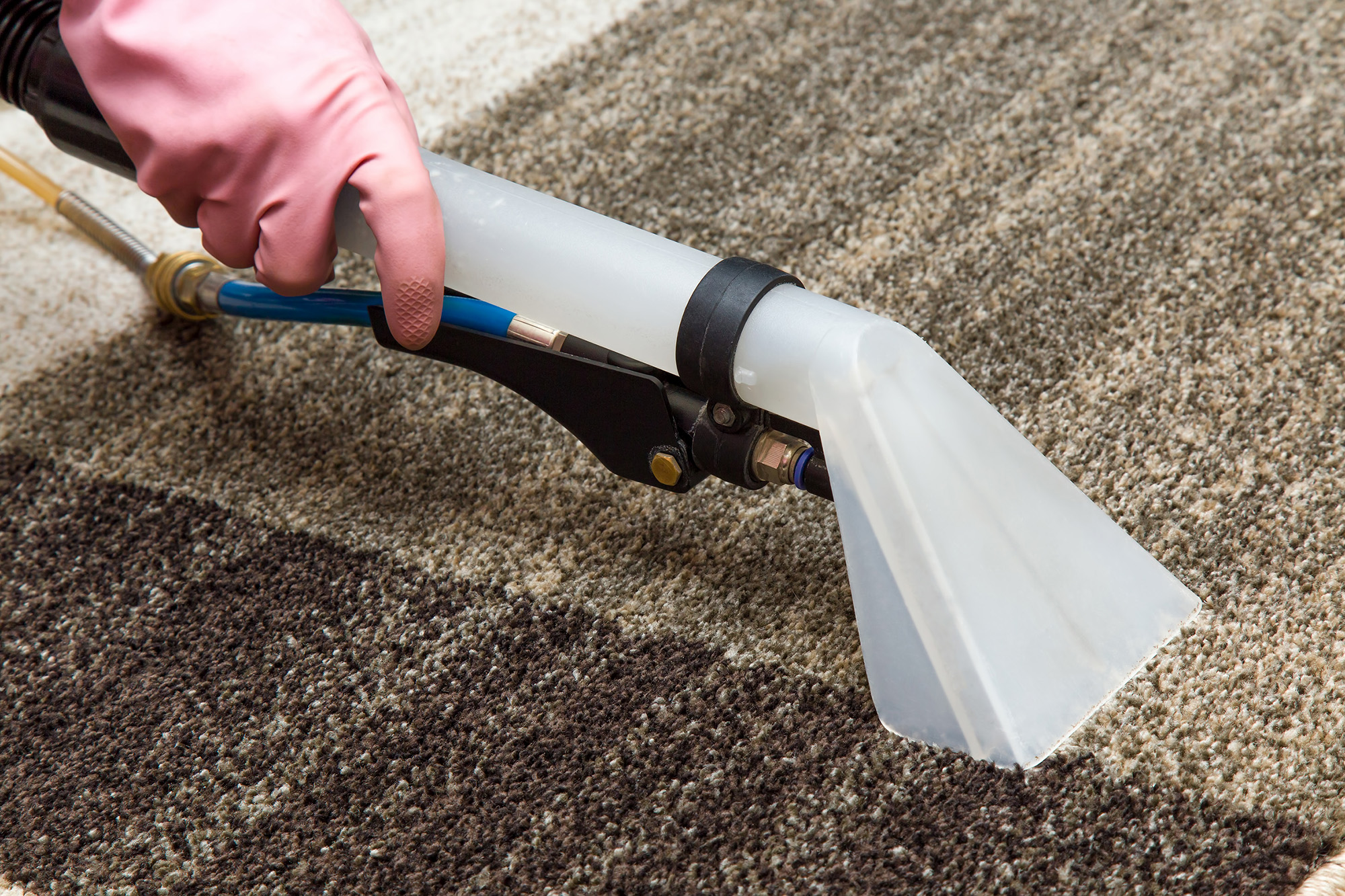
In shore homes, sand acts like sandpaper. It settles deep in the pile and scuffs fibers every time someone walks by. A thorough, hot-water extraction cleaning pulls that grit out in a way home machines and vacuums simply can’t. If you want to understand what’s involved, our professional rug and carpet cleaning page walks through the process we use to remove sand, stains, and allergens without leaving sticky residue behind.
Rule of thumb: if the carpet’s structure is sound but it looks tired or smells a bit off, start with a deep clean before you talk yourself into replacement.
When Coastal Conditions Push Carpet Past the Point of No Return
There are times when cleaning is throwing good money after bad, especially in older shore properties or heavy-use vacation rentals.
Replacement is usually the better call when you notice:
- Matting and crushing in main walkways where the pile never stands up again
- Bald spots or frayed backing at thresholds, stairs, or sliders
- Persistent pet odors that return days after cleaning because they’ve reached the pad
- Water damage from leaks, nor’easter intrusion, or repeated dampness that left waves, ripples, or a musty smell
Salt air and humidity in NJ coastal areas accelerate breakdown of older backing and padding. Once moisture has been trapped under carpet—especially in lower levels—no amount of cleaning will fix the wavy look or that “basement” odor. At that point, it’s smarter to plan for professional flooring installation so you can address the subfloor, padding, and new material all at once.
If you see ripples, smell mildew, or feel crunchiness underfoot, think replacement, not another cleaning.
How Age, Use, and Room Type Shape the Decision
A ten-year-old carpet in a Belmar living room that hosts sandy kids and wet dogs is not the same as a guest-room floor that sees a few summer visitors. Context matters.
Consider three questions:
- How old is it, really?
Most mid-grade carpets last 8–12 years in normal homes. On the Jersey Shore, heavy sand and humidity can shorten that. If your carpet is past that window and showing wear, deep cleaning can freshen it for a year or two, but you’re planning a replacement soon.
- What kind of space is this?
- In family rooms and stairs, safety and appearance matter most. Frayed edges or loose seams are a safety issue, not just a cosmetic one.
- In guest rooms or lightly used spaces, even older carpet can often be revived with one strong deep clean.
- In basements or lower levels, think about moisture first. Sometimes it’s worth switching to a different surface and using rugs for softness. You can explore moisture-tolerant materials in our laminate flooring options if you’re weighing a change.
- What’s your next move?
If you’re planning to sell in a year or two, a well-chosen new floor can make more sense than repeated cleanings. For others, one more deep clean might bridge the gap until a bigger renovation.
Planning What Comes After: Fresh Carpet or a Different Floor?
Once you’ve decided cleaning won’t fix what’s bothering you, the next step is figuring out what should replace it.
Some homeowners want the same soft, quiet feel with better stain resistance. Others are ready to switch to hard surfaces in main spaces and use rugs for warmth. In either case, it helps to see what’s possible. You can compare carpet styles and fibers if you like the comfort you have now but want better performance, or explore luxury vinyl plank options if you’re thinking about something more water-resistant for kitchens, entries, or lower levels.
If you’re not sure how a new floor will actually look once it’s installed, our gallery of examples of our recent work can be a useful reality check—especially for stairways, hallways, and rooms that see a lot of sandy traffic.
If you’re staring at your carpet and still debating “clean or replace,” you don’t have to guess. We look at the backing, pad, and subfloor before making a recommendation, and we’re honest if a deep clean is all you need. When you’re ready to talk through your specific rooms, you can request a free estimate and we’ll help you decide what makes the most sense for your home and budget.


