

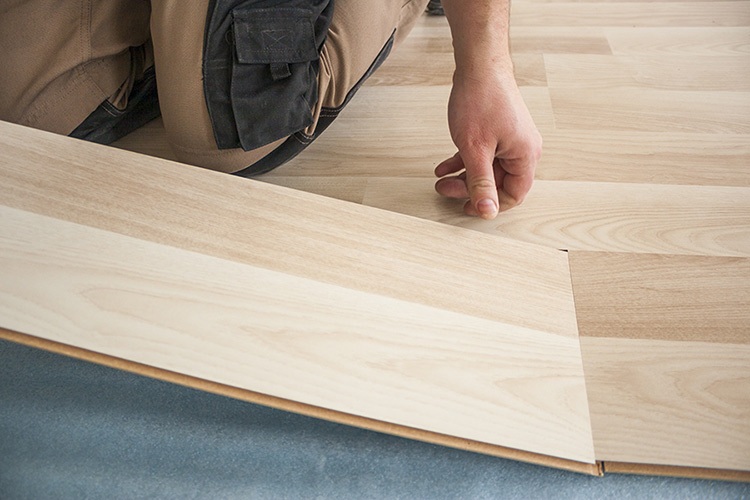
You’ve picked out a laminate that looks exactly like the driftwood floors you’ve saved on Pinterest. Now comes the real decision: do you spend a couple of weekends installing it yourself, or bring in a crew that does this every day? When you live near the water, the answer isn’t just about saving money—it’s about how that floor will handle moisture, sand, and constant traffic over time.
Below is a clear way to think through DIY vs pro installation so you can choose what actually fits your home, budget, and stress level.
What DIY Laminate Installation Really Involves
On the surface, laminate looks like a very DIY‑friendly project. The planks click together, there’s no sanding or finishing, and most brands market it as “weekend‑ready.” The reality is that the hard part usually isn’t snapping boards together—it’s everything before and around that step.
You’ll need to assess the subfloor for flatness, squeaks, and soft spots, then decide how to correct them. Even a few low spots can lead to movement, noisy boards, or broken locking systems down the road. You’ll also be choosing underlayment, accounting for vapor barriers, and planning expansion gaps so the floor can move with seasonal humidity changes.
The trickiest work tends to be around doorways, stair noses, and transitions into tile or existing hardwood. Those cuts demand patience and the right blades, or you end up with chipped edges and gaps that collect grit. DIY works best when you have simple, square rooms, time to learn as you go, and the expectation that a few imperfections are acceptable.
If you’re still in the shopping stage, it helps to see how different plank thicknesses and locking systems feel in person. Browsing the laminate flooring styles at Floors by the Shore can give you a sense of which products are more forgiving for first‑time installers.
Where Professional Installers Earn Their Keep
Professional crews spend most of their time solving the problems you don’t see in finished photos. They start with subfloor prep: fixing high and low spots, tightening or replacing loose panels, and addressing minor moisture issues before they can damage a floating floor. That prep work is what makes laminate feel solid underfoot instead of hollow or bouncy.
Layout is another area where experience matters. A pro will plan plank direction to minimize waste, avoid sliver‑thin pieces along walls, and keep patterns from repeating in obvious ways. In open layouts, they’ll think ahead about how planks line up as you move from one space to the next so you don’t end up with awkward transitions.
Installers also know the edge cases that catch DIYers—like how much expansion space a particular product really needs, how to undercut door jambs cleanly, and when to add moisture protection in kitchens or lower levels. If you’re investing in a better‑quality laminate, pairing it with expert installation is often what separates a floor that looks good for a year from one that still clicks tightly together a decade later.
How Shore Conditions Change the Equation
Near the coast, the install question isn’t just “Can I do it?” but “How will this hold up to moisture swings and sand?” Floating floors need room to expand and contract. If planks are cut a bit too tight to walls or door frames, they can buckle when humidity spikes. On the other hand, oversized gaps or poorly finished edges give sand and grit a place to grind away at the wear layer.
An experienced local installer is used to working with products that handle humidity changes well and will be careful about underlayment choices, vapor barriers, and perimeter details. They’ll also look at nearby tile, vinyl, or older wood and plan transitions that won’t become trip points or dirt traps over time.
If your home already has older flooring that’s seen a lot of seasons, it can be useful to talk through how a new floating floor will interact with what’s underneath. The crew at Floors by the Shore can walk you through subfloor concerns as part of their flooring installation services so you’re not guessing about what’s hidden below.
A Simple Way to Decide What’s Right for You
When you’re torn between DIY and hiring out, a few questions can clarify things quickly:
- How complex is the layout? Multiple hallways, angled walls, and lots of doorways push the project toward professional help.
- What’s your tolerance for visible flaws? If a few imperfect cuts will bother you every time you walk by, that’s a sign to bring in a crew.
- How much is your time worth right now? A project that takes a pro two days might stretch into several weekends for a first‑timer.
- Are you planning to sell in the next few years? Buyers and inspectors notice lippage, gaps, and noisy boards more than you might think.
If you’d like a clearer picture of costs and options before you commit, you can request a free estimate from Floors by the Shore. Their team can compare different laminate collections, talk through what pro installation includes, and help you decide whether this is the project to tackle yourself or one to hand off so you can simply enjoy the finished space.


