

You finally have a plan for that underused basement: maybe a media room, teen hangout, or a quiet home office. But once you start talking flooring, you quickly run into a big decision — do you lean into the sleek, industrial look of polished concrete, or warm things up with laminate that feels more like a traditional living space? In a coastal New Jersey basement, that choice isn’t just about style; it’s about how your floor will handle moisture, sand, and everyday life.
How Basements at the Shore Behave
Below-grade spaces near the coast deal with a perfect storm of conditions: seasonal dampness, occasional seepage after nor’easters, and big swings in humidity. Even in a “dry” basement, concrete slabs can wick moisture up from the ground, and that affects everything you put on top.
When we plan a professional flooring installation in a basement, we start by checking for vapor issues, existing cracks, and any signs of past water intrusion. That assessment often steers the conversation toward materials that tolerate brief moisture events, rather than ones that need a perfectly dry slab to stay stable.
Key idea: Before you pick a material, you need a clear picture of how wet or dry your basement really is.
The Case for Polished Concrete in a Basement
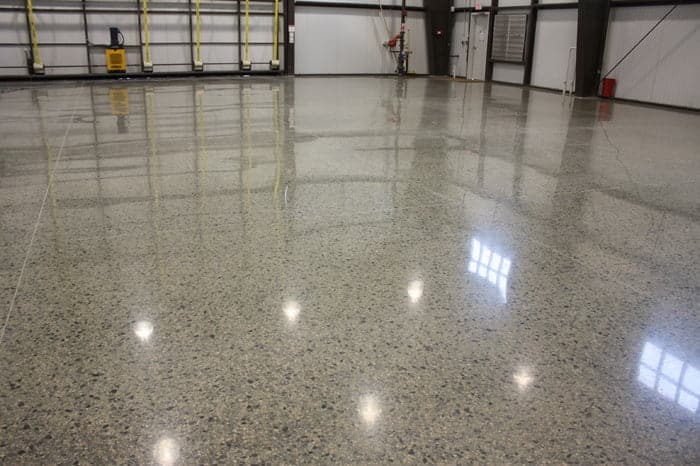
Polished concrete starts with the slab you already have. We mechanically grind, densify, and hone the surface to different sheen levels, from soft matte to high gloss. That process tightens the surface, makes it easier to clean, and gives you a modern, almost gallery-like look underfoot.
Because there’s no separate “flooring layer,” there’s nothing to swell if humidity spikes or if you ever get a minor leak. The finish resists dusting and is tough enough for workout equipment, rolling chairs, and kids’ ride-on toys. If you’re curious what the step-by-step process looks like, our guide to polished concrete as a modern flooring option walks through each stage.
Where polished concrete shines in a Jersey Shore basement:
- You’ve had moisture issues in the past and want as few seams and layers as possible.
- You like a contemporary, loft-style look and plan to soften it with rugs and furniture.
- The space will double as storage, a home gym, or a workshop where durability matters more than softness.
The trade-off is comfort. Bare concrete, even polished, feels cool and firm. Most homeowners layer in textiles — runners, area rugs, and upholstered furniture — to warm the space visually and physically.
When Laminate Makes Sense Below Grade
Laminate is popular because it delivers the look of wood at a friendlier price point, and it’s comfortable underfoot with the right underlayment. Modern products also handle surface spills far better than older generations, which is why many families gravitate to our laminate flooring options when finishing a lower level.
In a basement, though, the details matter. We pay close attention to:
- Moisture rating and warranty language for below-grade use
- Underlayment choice for sound control between floors and a bit of thermal break from the slab
- Expansion gaps and perimeter details so the floor can move without buckling in humid spells
If your basement has been dry for years, has a good drainage system, and you want the space to feel like a true extension of your main living area, laminate can be a smart choice. It’s warmer, quieter, and more forgiving if kids are playing on the floor.
Just remember: laminate is still a floating, wood-based product. It’s not the right answer for basements with chronic seepage, frequent puddling, or an unfinished moisture-management plan.
Blending Style, Comfort, and Risk Tolerance
Often, the “right” answer is not purely concrete or purely laminate, but a mix tailored to how you’ll actually use the basement. You might polish the entire slab for resilience, then carve out cozy zones with textiles — our area rug collection lets you size and color those zones so they feel intentional, not like an afterthought.
If you’re leaning toward a more finished look, we’ll talk through how your slab, walls, and mechanicals affect the installation timeline. Our project gallery with examples of our recent work can help you picture how different finishes behave in real homes, from high-sheen concrete to wood-look floors paired with stair runners.
Whichever route you take, the goal is the same: a basement that feels inviting on a January movie night, stands up to a wet spring, and doesn’t turn into a headache after the next big storm.
Ready to sort out what will truly work under your own house rather than in a showroom photo? Share how you use your basement, any past moisture history, and what look you’re after, and we’ll help you weigh polished concrete against laminate step by step. You can request a free estimate to start that conversation on your schedule.


