

The first time you hear every footstep from the upstairs hall while you’re trying to relax on the sofa, you realize something: in a stacked shore home, noise travels just as easily as sand. Between kids racing to showers, late-night laundry, and early risers heading out to fish, sound can move straight through floors and ceilings if you don’t plan for it.
Quiet flooring isn’t about one magic product. It’s about layering the right materials, underlayment, and layout so your home feels calm even when it’s full.
How Sound Really Travels Between Floors
Before you pick materials, it helps to understand what you’re fighting. In multi-level homes, you’re dealing with:
- Impact noise: footsteps, dropped toys, chairs scraping above you
- Airborne noise: music, TV, voices drifting through floor assemblies
Hard, hollow floors over thin subfloors act like drums. Every step sends vibrations into joists and down into the room below. Older shore houses and some quick-build townhomes may have minimal underlayment or patchy subfloors, which only makes the problem worse.
A good plan tackles both the structure (subfloor and underlayment) and the surface (the floor you see) so sound is absorbed, not amplified.
Building a Quieter Floor From the Subfloor Up
If you’re installing new surfaces, the quiet starts long before the first plank goes down. A professional crew will check for loose panels, gaps, and squeaks, then tighten and level everything so the new floor sits solidly. That stability alone cuts a surprising amount of creaks and rattles.
From there, the underlayment does the heavy lifting for noise control. Dense foam, cork, or specialty acoustic pads help:
- Soften impact sound from footsteps and dropped items
- Decouple the finished floor from the structure so fewer vibrations pass through
- Add a bit of warmth and cushion, which matters in barefoot, beach-lifestyle homes
If you’re not sure what’s under your current floors or how much prep you’ll need, it helps to talk through options with a team that focuses on flooring installation services every day. They can match the underlayment to your subfloor, not just to the brochure.
Smart Material Choices for Upstairs and Shared Spaces
Once the base is quiet, the surface material fine-tunes how your home actually feels and sounds.
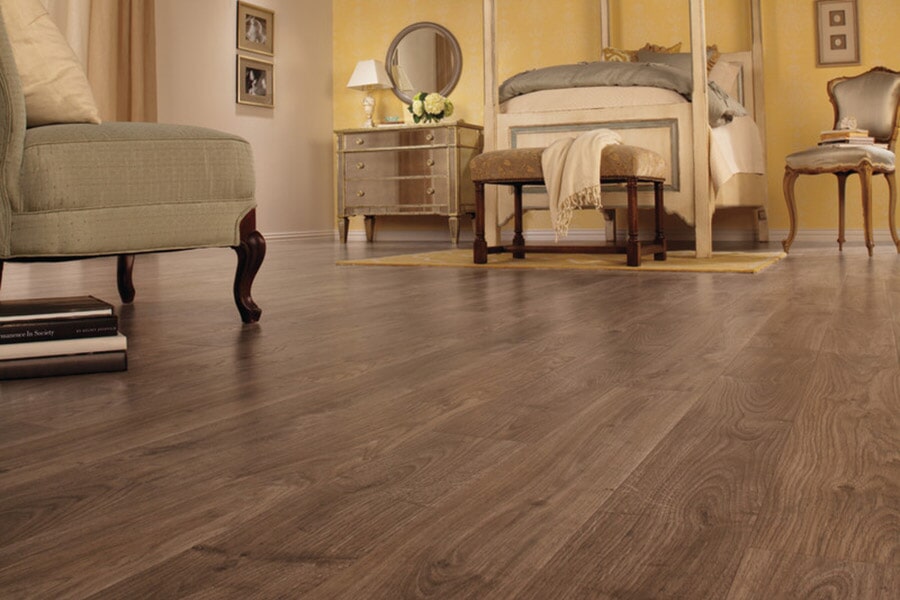
Laminate with quality underlayment is a strong fit for busy shore families. It gives you a hard surface that stands up to sand and everyday spills, but the right pad underneath keeps it from sounding like a hollow stage. Many modern products are designed specifically to limit “clicky” footsteps, especially in hallways and lofts over living rooms.
In family zones where noise really carries—like an upstairs playroom or a bedroom above the main TV area—you can combine hard surfaces with soft layers. Area rugs and runners over laminate can catch the sharp impact of feet and toys while the plank handles the sand and humidity underneath. If you want to see what that combination looks like in real products, you can browse laminate flooring that’s designed for high-traffic, kid-and-pet spaces.
On main levels where people gather, continuous hard flooring helps sound feel even and predictable rather than echoey in some rooms and dead in others. The trick is choosing styles and layouts that work with your stair openings and landings so footsteps don’t suddenly get louder in one spot.
Zoning the Home So Quiet Rooms Stay Quiet
In vertical homes, you don’t just plan floor by floor—you plan by zone. Think about who needs quiet, and when:
- Primary bedrooms and nurseries: prioritize softer underfoot feel and more acoustic padding under the finished floor. Even if you choose a hard surface, adding a thick rug near the bed can make a big difference in how the room sounds at night.
- Upstairs halls and landings: these are noise highways. A well-installed laminate with the right underlayment, plus a runner in the highest-traffic stretch, can keep sound more consistent and less jarring below.
- Entry areas and lower levels: these take the brunt of sand, wet gear, and heavy use. Here, durability and easy cleaning matter as much as sound. Planning surfaces that are tough on mess but paired with the right pad underneath keeps the downstairs from feeling like a locker room.
Because every multi-level layout is a little different, many homeowners find it useful to walk through the house with a flooring specialist and map where sound and mess are actually happening. From there, it’s much easier to choose a mix of materials that feel intentional instead of random.
Ready to Quiet Things Down?
If your current floors broadcast every move between levels, you don’t have to guess your way to a solution. Floors by the Shore can help you combine solid subfloor prep, quieter underlayments, and durable surfaces into a plan that fits how your family actually lives. When you’re ready to talk specifics and pricing, you can request a free estimate and start mapping out calmer, quieter floors one level at a time.


