

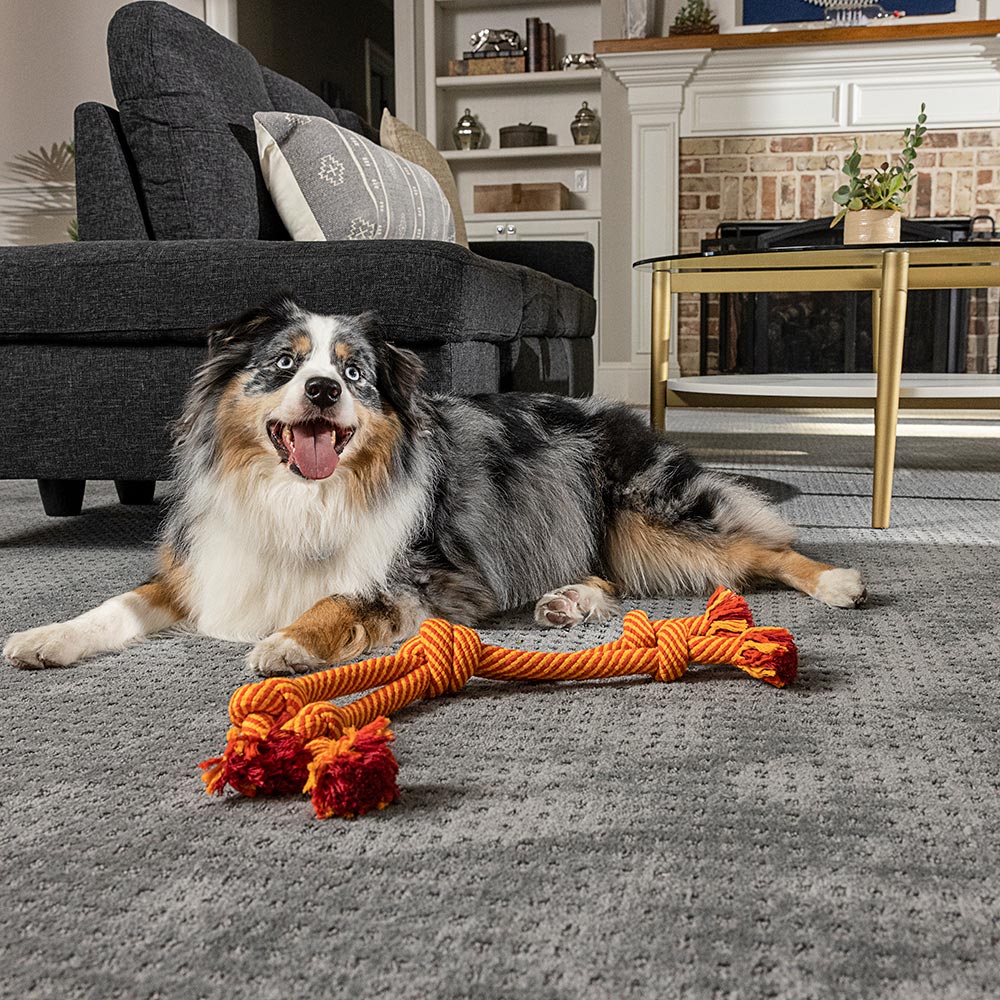
On a rainy Saturday, your dog barrels in from the beach, shakes off salt spray in the hallway, then launches into a zoomie loop through the living room. If your floors are already scratched, swollen from humidity, or impossible to keep clean, every paw print feels like a reminder that it’s time to start over. Planning new floors with pets in mind is less about “indestructible” material and more about making smart tradeoffs room by room.
What Pets (and Shore Life) Really Do to Floors
Before you pick materials, it helps to name the daily abuse your cottage floors see:
- Sand and shell grit that act like sandpaper on finishes
- Salt water and humidity that creep into seams and edges
- Accidents and water bowls that sit a little too long
- Nail clicks that can gouge softer surfaces
- Hair, dander, and odors that settle into texture
A good new floor plan accepts that these things will happen, then uses layout, materials, and installation details to keep damage on the surface instead of deep in the structure. That starts with a solid, professional base; a full-service installation process includes subfloor evaluation and moisture checks so your new surfaces don’t fail from underneath when summer humidity spikes.
Where Laminate Shines (and Where It Doesn’t)
Laminate has become a go-to in pet homes because it balances budget, style, and day-to-day toughness. For coastal cottages, it works best in spaces where you want:
- A hard, scratch-resistant surface for heavy traffic
- Wood visuals without worrying about every nail mark
- Easy sweeping when sand and fur pile up
In living rooms, hallways, and upstairs bedrooms, modern products with a strong wear layer and tight click system can handle claws and rolling toys while still looking like real wood. If you’re comparing brands and finishes, browsing the available laminate flooring options can help you see which textures and colors are most forgiving of sand and pet hair.
That said, laminate still has limits around standing water. For ground-level entries, laundry rooms, or areas where wet dogs park themselves after a swim, consider pairing it with more water-tolerant materials or using it in drier zones only. A thoughtful installer can stagger materials so transitions feel intentional rather than patchwork.
Smart Room-by-Room Pairings for Pet Homes
In a small shore cottage, every square foot works hard. Instead of forcing one material everywhere, think about zones:
- Entry and mudroom: A truly waterproof surface or heavy-duty mat over a durable floor keeps the worst of the sand and splash at the door. Once that grit is contained, the rest of the house stays cleaner and laminate in adjacent rooms lasts longer.
- Main living areas: This is where laminate often earns its keep. Mid-tone, subtly textured planks hide paw prints and shed fur better than very dark or very smooth choices.
- Bedrooms: If you like a softer landing for bare feet, low-pile carpet or a bound rug layered over hard flooring can quiet nail noise and add comfort. When these textiles get loaded with sand and dander, professional rug and carpet cleaning pulls that buildup out instead of just pushing it deeper with a vacuum.
- Stairs and narrow halls: Pets slip here more than anywhere. A custom runner tailored to your dimensions can add traction, protect hard treads, and soften the sound of late-night trips outside.
The goal is a house that feels cohesive but still respects how pets actually move through it: sprint paths, nap zones, watch posts by the window, and all.
Details That Make Pet-Smart Floors Last Longer
Even the best material can fail if the details are rushed. A pet-focused plan pays attention to:
- Color and pattern. Mid-range shades with some variation disguise everyday mess better than flat, uniform tones. You can see how this plays out in real homes by looking at examples of our recent work across different room types.
- Edge sealing and transitions. Tight seams, properly undercut door jambs, and well-chosen transition strips keep moisture from sneaking into edges where swelling starts.
- Underlayment. The right cushion under laminate can reduce nail noise and make floors more comfortable for older pets without introducing too much give, which can stress joints.
- Maintenance plan. Light, frequent cleaning beats harsh, occasional scrubbing. Gentle cleaners and quick response to accidents protect both the surface layer and the subfloor.
When installation and maintenance work together, you spend far more time enjoying your pets and far less worrying about what each romp is doing to your investment.
Ready to Map Out Pet-Smart Floors?
If you’re thinking about new floors for a coastal cottage and want them to stand up to both pets and shore life, it helps to talk through room-by-room options, budgets, and timing with someone who does this every day. You can request a free estimate to start that conversation and build a plan that fits your home, your animals, and the way you actually live.


