

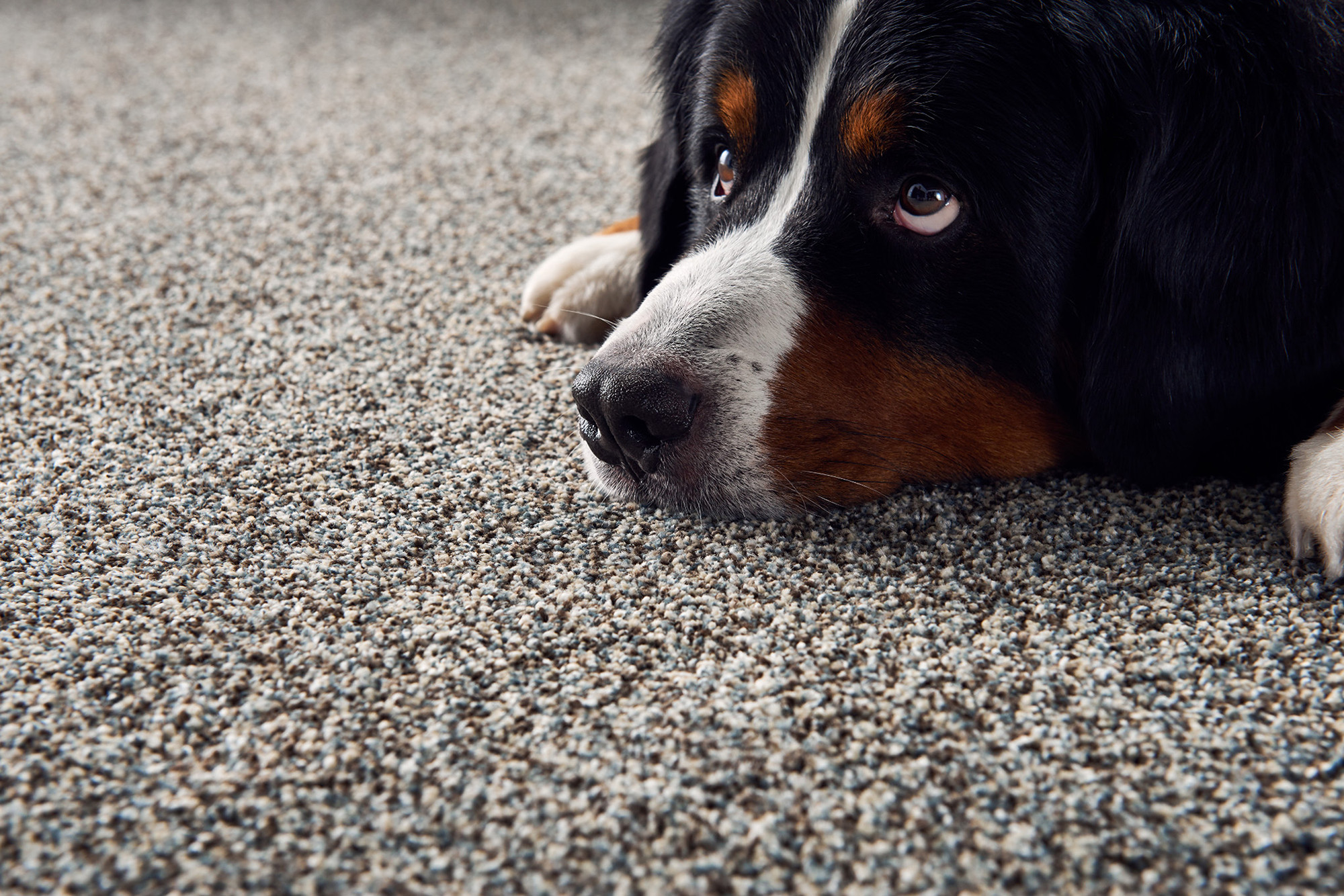
A mudroom near the shore works harder than almost any other spot in the house. It catches wet flip-flops, dripping rain jackets, paw prints, and the gritty mix of sand and salt that somehow follows everyone indoors. At first, that carpet by the door just looks a little tired. Then it starts holding odors, staying damp longer than it should, and feeling rough underfoot. That’s usually the point where a quick vacuum stops being enough.
Why mudroom carpet gets dirty faster
Mudroom carpeting deals with several kinds of buildup at once, and each one behaves differently. Sand sinks deep into the pile and acts like fine grit, wearing fibers down every time someone walks across it. Pet hair wraps around strands and holds onto dander, while moisture from wet shoes or soggy paws can settle into the backing. In homes around Belmar, that combination is especially common after beach days, summer storms, and messy winter slush.
The biggest issue is that these messes don’t just sit on the surface. Once dirt and moisture work their way below the top layer, the carpet can start looking matted even after you clean up visible debris. That’s when professional rug and carpet cleaning makes a real difference, because deep extraction removes what ordinary household equipment tends to leave behind.
The signs your mudroom needs more than spot cleaning
A lot of homeowners wait for obvious stains, but appearance is only part of the story. If the carpet feels stiff, smells musty on humid days, or seems dingy again right after vacuuming, soil is likely trapped deeper in the fibers. Pet-heavy households often notice another clue: the space starts smelling “doggy” even when the rest of the home feels fresh.
Material also matters. Some textures hide debris better than others, which can delay action until wear becomes harder to reverse. If you’re comparing surfaces for an entry space that sees constant traffic, it helps to look at carpet styles and fibers with durability and cleanability in mind. In some homes, especially where the doorway funnels everyone through one narrow path, a custom runner tailored to your dimensions can protect the main floor while being easier to maintain than wall-to-wall material.
Cleaning is only part of the solution
A thorough deep clean resets the space, but lasting results usually come from pairing cleaning with a smarter setup. The best mudrooms are designed to slow down the mess before it spreads: a place to drop shoes, a mat that actually traps grit, and flooring that can handle repeated exposure to dampness. In busy Jersey Shore communities, that often means thinking beyond the carpet itself.
If your current floor is constantly staying dirty because the layout works against you, it may be time to consider professional flooring installation for a more practical entry sequence. Many families also choose hard-surface products nearby so the highest-risk zone is easier to wipe down; you can compare waterproof LVP from Mannington and COREtec when you want something that stands up well to wet shoes, tracked-in sand, and everyday wear.
A cleaner entry makes the whole house feel better
When the mudroom is under control, the rest of the home usually follows. Less grit gets carried into adjoining spaces, odors don’t linger as long, and the entry feels more welcoming instead of constantly “in progress.” That matters in year-round homes, but also in coastal properties where guests, kids, and pets are always moving in and out.
A good cleaning doesn’t have to be about perfection. It’s about restoring a hardworking space so it can keep doing its job without dragging down the rest of the house. If your entry carpet has reached that point where quick fixes aren’t cutting it anymore, you can request a free estimate and get a practical plan for what comes next.


