

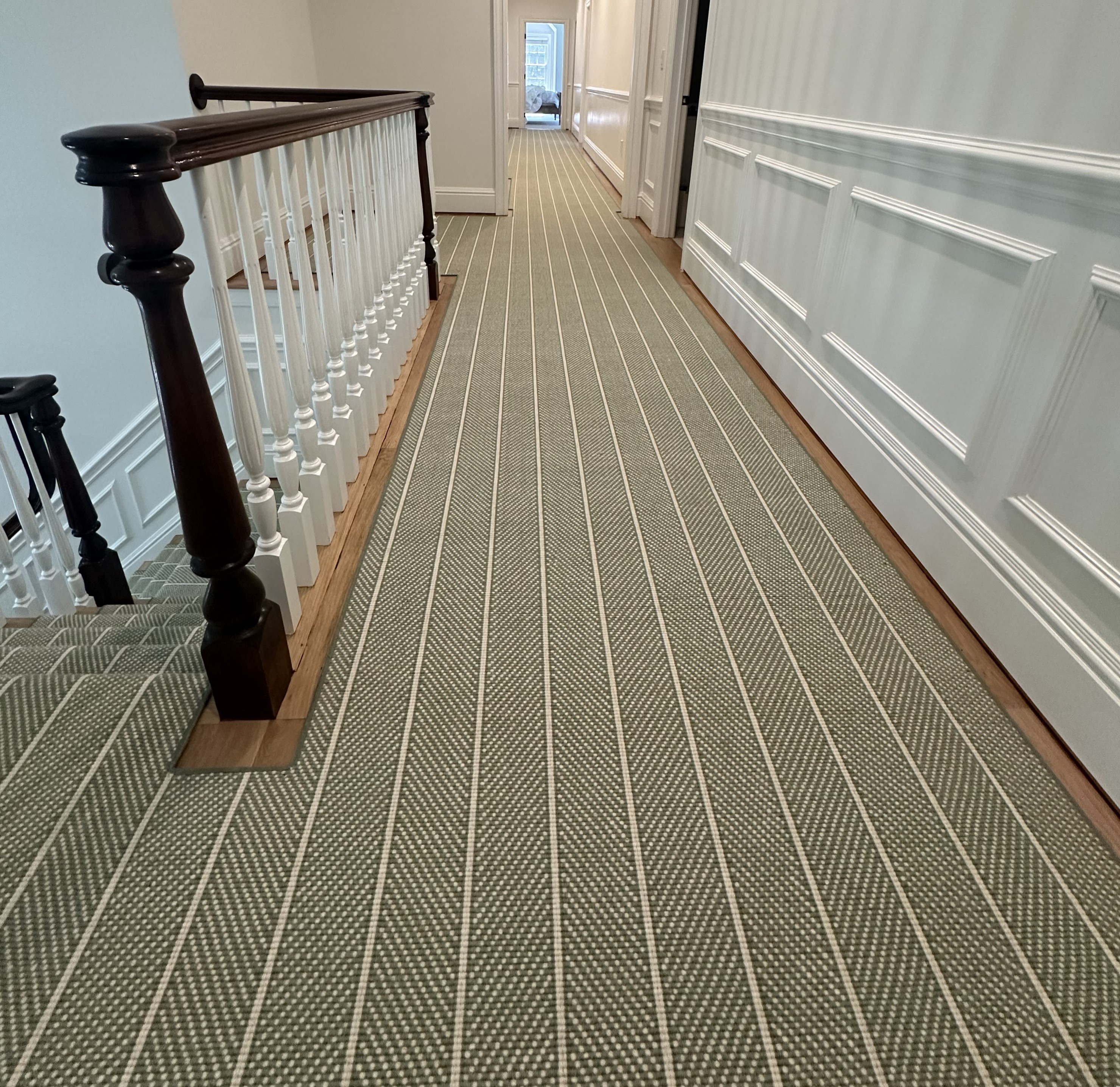
Hallway carpet usually tells the truth before the rest of the house does. It flattens first, shows soil faster, and takes the brunt of wet shoes, sand, pets, and everyday foot traffic. If you’re looking down at a runner or wall-to-wall install and wondering whether it needs a deep cleaning or a full replacement, the answer depends less on age alone and more on how the carpet is wearing.
Age Matters, but Wear Patterns Matter More
In a low-traffic room, carpet can look good for well over a decade. Hallways are different. They act like a roadway through the home, so the center lane often breaks down long before the edges do. In many homes, a hallway carpet starts to feel tired somewhere around 7 to 10 years, but that range can shorten if you have kids, dogs, frequent guests, or a rental property near the shore.
The first thing to check is whether the issue is mostly surface-level. If the fibers still have structure and the backing is sound, a thorough professional rug and carpet cleaning can remove packed-in grit, lift lingering odors, and improve appearance more than many homeowners expect. That matters in coastal homes, where fine sand works its way deep into the pile and speeds up wear from the inside out.
Signs Cleaning May Still Be Enough
Not every worn-looking hallway needs to be torn out. Sometimes the problem is buildup, not failure. Dark traffic lanes, dull color, and a slightly matted feel can all come from soil trapped below the surface. If stains return quickly after spot cleaning or the carpet feels stiff underfoot, that usually means it needs more than a store-bought cleaner.
Material also makes a difference. Some fibers rebound better than others, especially in narrow passages that get constant use. If you want to understand how different constructions hold up, it helps to compare carpet styles and fibers with durability in mind rather than color alone. For homes in NJ coastal areas, that conversation often includes how the floor will handle moisture, tracked debris, and seasonal swings in humidity.
When Replacement Is the Smarter Call
There comes a point when cleaning stops being cost-effective. If the pile is crushed flat, seams are opening, padding has lost support, or odors remain after treatment, replacement is usually the better investment. The same goes for visible rippling or fraying at transitions. Those are structural problems, not cosmetic ones.
This is where a careful professional flooring installation process matters. Hallways look simple, but they’re full of details: door clearances, subfloor condition, pattern alignment, and clean transitions into adjacent rooms. In Belmar homes especially, entry areas often bring in extra grit and moisture, so prep underneath the new material is just as important as the carpet you choose on top.
If you’re leaning toward a fresh start, it can also help to look at our carpet installation approach, especially if you’re considering natural fibers or want a cleaner finish on stairs and connecting corridors.
How to Make the Next One Last Longer
Replacement cycles get shorter when dirt stays trapped and traffic is concentrated in one path. A few habits make a real difference: regular vacuuming, quick attention to spills, and periodic deep cleaning before heavy soil grinds down the yarn. In busy Jersey Shore communities, a custom runner can also reduce direct wear while making the hallway easier to maintain.
If you prefer a tailored look, a custom runner tailored to your dimensions can protect the most-used section without committing to wall-to-wall carpet in every corridor. That option is especially useful when you want softness underfoot but also need something practical for pets, guests, or beach-season traffic.
A hallway carpet doesn’t need to look brand new forever, but it should still feel clean, supportive, and appropriate for how your home is used. If yours is showing its age and you’re unsure whether to clean it or replace it, the best next step is to request a free estimate.


