

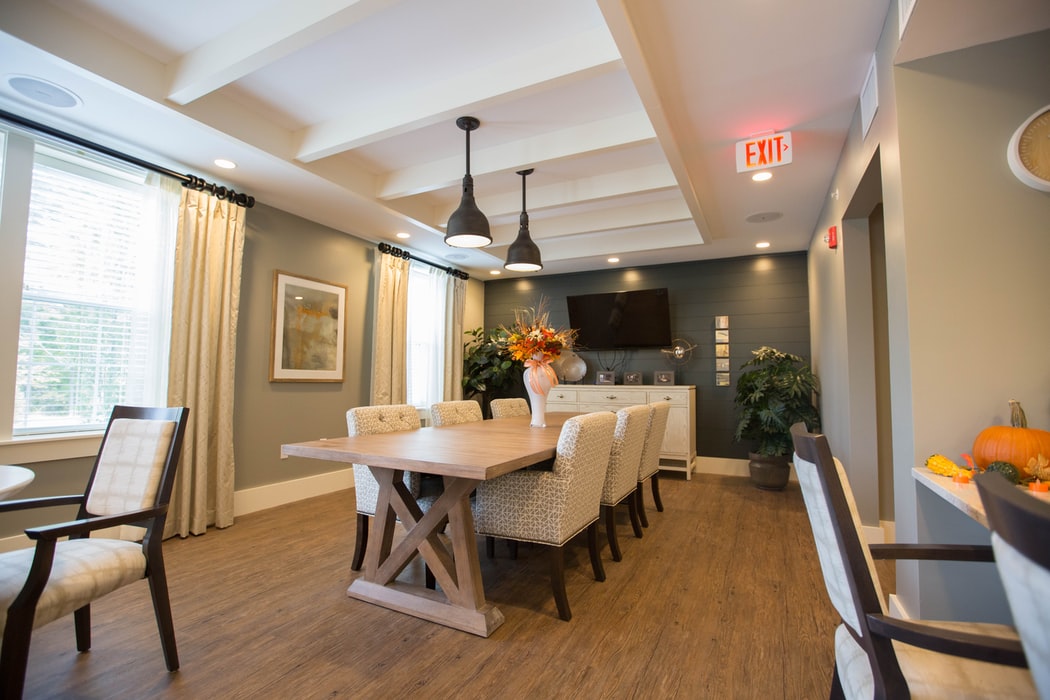
A dining room near the coast works harder than people think. Chairs scrape back and forth, sandy feet pass through after the beach, and humidity rises and falls with the seasons. If your table is where holidays, homework, takeout, and summer guests all seem to land, the floor underneath has to do more than look good. In homes around Belmar, that usually brings the same question: should you choose hardwood or laminate?
What heavy use really means in a dining room
“High traffic” sounds generic until you picture what actually happens in the space. Dining rooms take repeated chair movement, dropped utensils, spills that sit a little too long, and fine grit that acts like sandpaper underfoot. In NJ coastal areas, that wear shows up faster because moisture and debris tend to travel in from outside.
That is why the decision should start with how the room is used, not just which surface looks more upscale. If you want to compare realistic visuals, plank widths, and performance differences, it helps to look at current laminate flooring options alongside an engineered and solid hardwood collection. Seeing both in person often makes the tradeoffs clearer than reading specs online.
Where laminate tends to win
Laminate is often the easier answer for a busy dining room because it handles everyday abuse with less stress from the homeowner. The wear layer resists scratches better than many people expect, which matters when chairs slide in and out several times a day. It also gives you a lot of design flexibility if you like the look of oak, maple, or wider planks but want something more forgiving.
For families, pet owners, or anyone hosting often, low-maintenance durability is usually laminate’s biggest advantage. It does not need refinishing, and routine cleanup is simple as long as spills are handled promptly. If the dining room connects to an entry, kitchen, or rental space that sees constant turnover, the value of a tougher surface becomes even more obvious. And if you are planning a broader update, understanding the full professional flooring installation process can help you think through transitions, subfloor condition, and how the room ties into nearby spaces.
Where hardwood still stands apart
Hardwood earns its reputation because it brings a depth and character that printed surfaces rarely match. Light changes across real grain. Boards develop personality over time. In older homes around the Jersey Shore, that authenticity can feel especially right in a formal dining room or a space that opens into other wood-floored rooms.
Its biggest long-term strength is that it can often be renewed rather than replaced. A surface that picks up wear from years of gatherings may be sanded and refinished, which gives it a lifespan laminate cannot fully match. That said, hardwood asks more from you. It is more sensitive to moisture swings, and chair legs without protection can leave marks faster than most people expect. If style matters as much as resilience, browsing examples of our recent work can help you picture how a natural wood floor looks once it is installed in a lived-in home rather than a staged photo.
The better choice depends on your tolerance for wear
If you want the shortest path to a durable, attractive floor for everyday use, laminate is often the smarter fit. If you care most about natural material, future refinishing potential, and the feel of real wood underfoot, hardwood may still be worth the extra maintenance. Neither is universally better. The right answer depends on whether you want practical protection or timeless character to lead the decision.
A lot of homeowners find that the easiest way to decide is to handle samples, compare tones under real lighting, and talk through the room’s traffic pattern with someone who installs these materials every day. You can visit our Belmar showroom to see both options side by side, and when you’re ready to talk specifics, request a free estimate.


