

You can sweep twice a day and still feel grit under your feet after a weekend of beach trips. Sand shows up in every doorway, under the kitchen table, and along the path to the bathroom. If you’re planning new laminate floors, the right color can make that constant trickle of sand much less obvious between cleanings.
Below are practical ways to use color, pattern, and finish to keep your floors looking cleaner in a shore home.
Why Sand Shows More on Some Floors Than Others
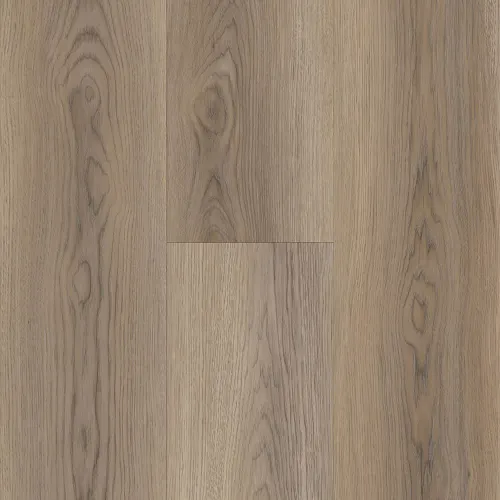
Sand behaves almost like confetti: it stands out most when it contrasts with what’s underneath. Pale beige grains are very noticeable on dark espresso planks, but they almost disappear on mid‑tone, slightly varied wood looks.
Three details matter most when you’re trying to hide sand:
- Contrast: The closer your floor color is to the sand tracked in, the less every grain will pop.
- Variation: Floors with gentle color movement and pattern break up specks of debris.
- Sheen: Matte and low‑gloss finishes scatter light, so grit and streaks don’t catch your eye.
When you browse laminate flooring, you’ll notice that many coastal-friendly styles build in those three traits: mid-range color, subtle pattern, and a soft, low-sheen surface.
Best Laminate Tones and Patterns for Sandy Shore Living
For homes near the water, the sweet spot is usually a weathered, mid‑tone palette. Think “driftwood,” “sandy oak,” or “bleached hickory” rather than very dark walnut or pure white boards.
A few guidelines:
- Choose mid‑beige, greige, or light brown wood looks. These tones echo the color of beach sand, so daily footprints don’t jump out.
- Look for plank-to-plank variation. Laminate lines that mix several board tones in one collection do a good job of visually breaking up small messes.
- Favor subtle texture over glassy smooth boards. Light embossing that follows the “grain” helps scatter reflections so grit is less obvious.
If you’re not sure how a sample will behave in real light, bring it into your entry, kitchen, and main walkways and sprinkle a small pinch of clean sand across it. That quick test shows very clearly which colors are the most forgiving.
Coordinating Floor Color With the Rest of Your Shore Home
Color that hides sand still needs to work with your cabinets, furniture, and trim. In compact coastal layouts, the wrong tone can make rooms feel busy or chopped up.
A few ways to keep everything working together:
- Match undertones, not exact colors. If your kitchen cabinets lean warm (cream, honey oak), stick with laminate that has a similar warmth. For white or gray cabinetry, a greige or cool driftwood tone usually feels more natural.
- Let one main floor color run through connected spaces. Continuous laminate from the entry into living areas reduces the number of transition strips and gives your home an easy, open feel, especially helpful in smaller shore cottages.
- Use area rugs strategically. Runners at sliding doors and along hallways catch the worst grit before it travels deeper into the house, and they add a layer of pattern on top of a sand-friendly floor.
When you’re ready to turn those ideas into an actual project, the team that handles flooring installation services can help you decide where continuous laminate makes sense and where a different surface or transition is smarter.
Putting It All Together With Professional Help
The right laminate color won’t stop sand from coming in, but it will make your home feel calmer and cleaner between vacuuming sessions. Aim for mid‑tone, varied, low‑sheen planks that echo the sand outside, coordinate with your finishes, and run smoothly through your busiest rooms.
If you’d like help narrowing down samples and planning a layout that works for your own shore place, you can browse laminate options that are designed for high-traffic homes and then request a free estimate to talk through installation, timing, and budget with a local installer.


