

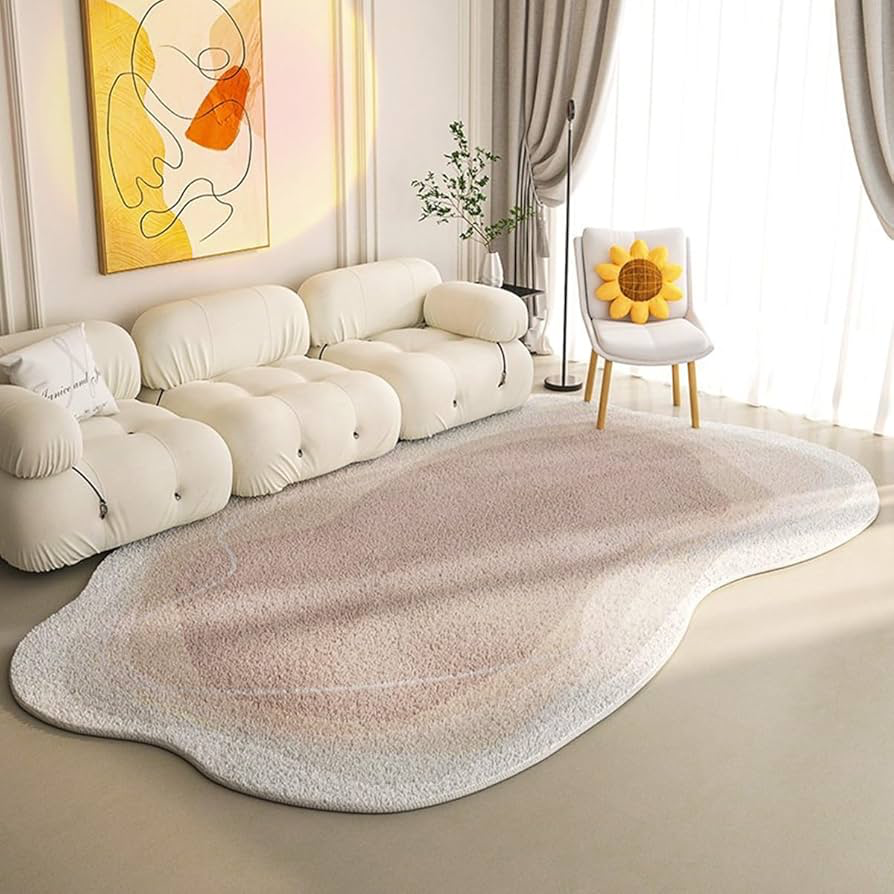
If you’ve ever been downstairs while someone walks across a bare second floor, you know how quickly a home can start to sound hollow. Footsteps, chair legs, dropped toys, and early-morning routines all seem louder when sound has nothing soft to absorb it. In many homes around Belmar, that noise gets worse with hardwood or laminate upstairs, especially when rooms are lightly furnished. The right rug won’t make a house silent, but it can soften impact noise, reduce echo, and make bedrooms feel more settled.
Why upstairs rooms get so noisy
Most of the sound you notice from above is impact noise. That means footsteps and movement are traveling through the floor structure, not just bouncing around the room. A rug helps in two ways: it cushions the step at the surface, and it cuts down on the sharp reflection you get from hard finishes.
Size matters more than many people realize. A small accent rug in the middle of the room may help visually, but it won’t do much for the path people actually walk. For better results, choose something large enough to catch the bed perimeter, the walkway to the closet, or the route from the hall to the window. If you’re still deciding what shape or scale works best, it helps to start by browsing rugs by size and style so you can compare what fits the way the room is used.
Fiber and construction make a real difference
Not all rugs quiet a room the same way. Dense construction usually performs better than a thin, flat piece with very little weight. Wool is often a smart choice upstairs because it has natural body, holds its appearance well, and adds softness without feeling flimsy. In pet-heavy households or homes with kids, texture also matters; a loop, low pile, or tightly woven option can give you sound control without becoming difficult to maintain.
This is one reason many homeowners in Jersey Shore communities end up comparing floor coverings in person rather than shopping by color alone. Pattern, backing, and pile height all affect how a rug feels underfoot and how much noise it absorbs. If your upstairs flooring is still being planned, pairing rugs with quieter surfaces can make an even bigger difference, and it’s worth understanding what’s included in a professional flooring installation before the finish material goes in.
Placement matters as much as the rug itself
A good rug in the wrong spot won’t solve much. Bedrooms usually benefit most from coverage under the lower two-thirds of the bed, with enough extension on both sides to catch morning foot traffic. In hallways or on stairs, you’ll often get better sound control from a longer, tailored solution than from a loose decorative piece that shifts around.
That’s where personalized runner and rug solutions can help. A custom fit lets you cover the noisiest travel paths without awkward gaps, which is especially useful in older homes where dimensions are rarely standard. If you want to see how scale and placement look in real rooms, reviewing examples of our recent work can give you a better sense of proportion before you commit.
Don’t forget maintenance
A rug that’s supposed to make a room feel calmer can do the opposite if it starts trapping grit and allergens. Sand, dust, and pet dander break down fibers over time, and upstairs bedrooms in coastal areas often collect more than people expect. Regular vacuuming helps, but periodic deep cleaning keeps the pile fuller and the surface more effective at softening sound.
That matters even more if you choose natural fibers or place rugs in busy family spaces. When the goal is long-term comfort, professional rug and carpet cleaning can restore texture and remove embedded debris that ordinary maintenance leaves behind.
A quieter upstairs usually comes from a few smart choices rather than one dramatic fix: better coverage, denser fiber, and placement that matches real life. If you’d like help choosing something that fits your rooms and your routine in Belmar, you can request a free estimate.


