

If you live with pets, you’ve probably had that moment: you come home from a beach walk, kick off your shoes, and catch a whiff of something that’s definitely not ocean air. You scrub, spray, maybe even break out the little carpet machine you bought online—and for a day or two it smells better. Then a humid stretch rolls through, and the odor creeps right back up. That “ghost smell” is usually a sign that well‑intentioned cleaning actually locked the odor in.
Below are the most common mistakes we see that make pet odors much harder (and sometimes impossible) to remove from carpet.
Mistake 1: Using Too Much Water (Especially With Home Machines)
Pet accidents don’t just sit on the surface. Urine soaks down into the backing and sometimes into the pad. When you flood the area with water from a rental or small home extractor, you push the contamination even deeper.
On the Jersey Shore, where humidity already slows drying, over‑wet carpet can stay damp for a long time. That gives bacteria time to grow, which makes the smell stronger and can even lead to mildew. Once odor has settled into the pad and subfloor, it often takes professional extraction—and sometimes partial replacement—to fix.
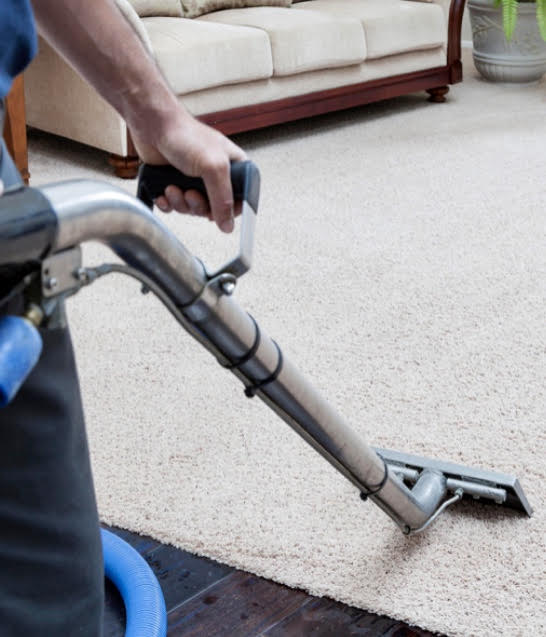
A better approach is controlled moisture and strong suction. Professional systems are designed to flush and remove contamination without leaving carpets soggy. When accidents have soaked in or you’re dealing with recurring smells, it’s worth bringing in professional carpet cleaning that can target the pad and backing instead of just the surface.
Mistake 2: Grabbing the Wrong Cleaning Products
Most people reach for whatever is under the sink: general-purpose cleaner, dish soap, or a heavily perfumed spray. All three can cause problems:
- Soaps and detergents leave residue that attracts dirt, so the spot reappears as a dark ring.
- Deodorizers and fragrances only mask smell for a short time; they don’t break down the actual odor molecules.
- High-pH cleaners or bleach can damage carpet dye, leaving light spots or color shifts that are permanent.
Pet urine is acidic when fresh, then becomes alkaline as it dries. Enzymatic treatments and neutral cleaners are designed around that chemistry; random household products aren’t. On natural fibers like wool—common in higher‑end bedrooms and stair runners around Belmar—the wrong chemistry can also roughen the fiber and shorten the carpet’s life.
If you’re not sure what you’re dealing with, it’s safer to blot with plain water first, then let a pro choose the right solution. Our technicians work with products formulated to remove stains and odor without harming delicate fibers, the way we do when we deep‑clean carpets and area rugs in wool‑heavy homes.
Mistake 3: Rubbing and Scrubbing Instead of Blotting
When you see a fresh accident, the instinct is to attack it with elbows and a stiff brush. Hard scrubbing is one of the quickest ways to:
- Fray carpet fibers so the spot looks worn, even after it’s clean
- Spread the contamination to a wider circle
- Push liquid deeper into the backing
Blotting pulls moisture up; scrubbing pushes it down and sideways.
A better sequence:
- Lay down several layers of plain white towels or paper towels.
- Press firmly—stand on them if you need to—then replace with dry towels and repeat.
- Only after you’ve absorbed as much as possible should you lightly apply a cleaner, then blot again.
If you’re repeatedly cleaning the same area or you notice matting and wear in one section of carpet, it may be a sign that DIY efforts have gone as far as they can. At that point, it’s worth asking whether a targeted restoration cleaning can extend the life of that room or if it’s time to think about replacement. When replacement makes more sense, some families choose low‑maintenance options like luxury vinyl or laminate in the most accident‑prone zones; our showroom has a broad range of laminate flooring styles that stand up well to pets and sand.
Mistake 4: Ignoring the Padding and Subfloor
Pet odors that come back during damp weather are usually trapped below the carpet itself. If you’ve treated the surface several times and the smell returns after rain, high humidity, or a nor’easter, the pad may be saturated.
In severe cases, the right fix is a multi‑step process: pull back the carpet, treat or replace sections of pad, seal stained subfloor, then re‑stretch and clean the face fibers. That’s not something most homeowners want to tackle on their own, but it’s routine for a crew used to full‑service work. When we’re already onsite for professional flooring installation, for example, we often discover and address old pet damage that’s been hiding under furniture or area rugs for years.
If you’re trying to decide whether to invest in another round of cleaning or shift those dollars toward new floors, it can help to see what’s possible in your budget. Browsing our customer reviews can also give you a sense of how often we’re able to salvage carpet that homeowners thought was a lost cause.
Living with pets near the coast means you’ll always be managing some mix of fur, sand, and the occasional accident. The key is avoiding the habits that lock odors in—over‑wetting, harsh chemicals, and aggressive scrubbing—and getting ahead of problems before they reach the pad and subfloor.
If you’re dealing with stubborn smells in one room or throughout the house, we can help you sort out whether a focused cleaning, pad repair, or new flooring is the smarter long‑term move. Share a few details about your home, your pets, and what you’re noticing, and we’ll follow up with options that fit your situation. You can request a free estimate any time to get started.


