

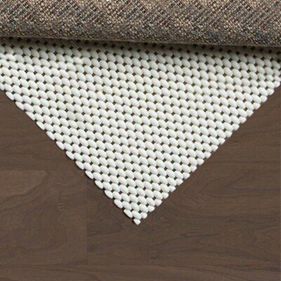
A good area rug can soften a room, cut down on noise, and protect the floor underneath—but the wrong pad can quietly cause trouble. In homes near the coast, moisture has a way of showing up where you do not expect it. Damp shoes, humid air, sandy foot traffic, and closed-up rooms after a rainy stretch can all affect what happens beneath a rug. That is why the layer you never see matters just as much as the one you do.
Why moisture matters under a rug
Many people choose a pad based on comfort alone, then wonder why the floor underneath looks cloudy, dull, or uneven months later. A dense, non-breathable backing can trap humidity against the surface below, especially in NJ coastal areas where indoor air often carries extra moisture. On hardwood, that can contribute to cupping, finish wear, or discoloration over time. If you are comparing fibers, patterns, and sizes for a new room, it also helps to look at the full area rug collection with the floor beneath it in mind.
The main job of a pad is not just to keep a rug from sliding. It should also create a little airflow, reduce abrasion, and keep grit from grinding into the finish. That last part is easy to miss, but sand tracked in from outside acts like fine sandpaper under constant foot traffic. In beach homes and busy family spaces, less friction underneath usually means longer life above and below.
What makes a rug pad a better fit for shore homes
The best choice is usually a breathable pad made for the specific flooring in the room. Felt-and-rubber combinations often work well because they cushion the rug while helping it stay put without the plasticky feel of cheaper options. What you want to avoid are low-grade materials that can hold moisture, break down early, or leave residue behind.
If your rug is sitting over wood, the finish matters too. Some surfaces are more sensitive than others, particularly in older homes around Belmar where seasonal movement is already part of the picture. Before choosing a pad, it helps to understand the floor’s construction and finish layer; you can compare species, widths, and finishes to get a clearer sense of what different wood surfaces require.
Pad thickness should match the room. In a bedroom or sitting area, a little extra cushion may feel great. In a dining room, too much loft can make chairs harder to slide and create wear at the edges. Hallways are another case entirely, since runner movement becomes a safety issue as much as a design choice. For those tighter spaces, a custom runner sized for your hallway or stairs often performs better than trying to force a standard rug into an awkward footprint.
Maintenance matters just as much as material
Even the right pad needs occasional attention. Rugs should be lifted from time to time so both layers can breathe, especially after a humid spell or a season of heavy use. This is particularly important in Jersey Shore communities, where salt air and summer traffic can leave behind more residue than homeowners realize. If the rug starts to smell musty or the fibers feel heavy, the issue may not be the pad alone—it may be trapped soil and moisture working together.
That is when a deeper reset helps. Regular vacuuming handles surface debris, but embedded grit and dampness require more than that. Periodic professional rug and carpet cleaning can remove the buildup that settles into the foundation of the rug and affects everything underneath it.
Small choices make a big difference
A rug pad seems minor until you see what happens when it is wrong. The right one supports the rug, protects the finish, and lets the floor breathe a little better through humid stretches. Comfort matters, but protection and airflow matter more when you live near the water.
If you want help choosing a rug and pad combination that works for your room, your flooring, and the way your home is actually used, you can request a free estimate.


